
Peonies With A Purpose Fundraiser
Peonies with a Purpose is the Nansemond River Garden Club's annual sale.
Varieties are offered as bare roots in three-packs and as established clumps, shipped directly to your door in time for fall planting. You order, we handle the rest, and the plants arrive when the ground is ready for them. The blooms come in May. The work they pay for starts now.
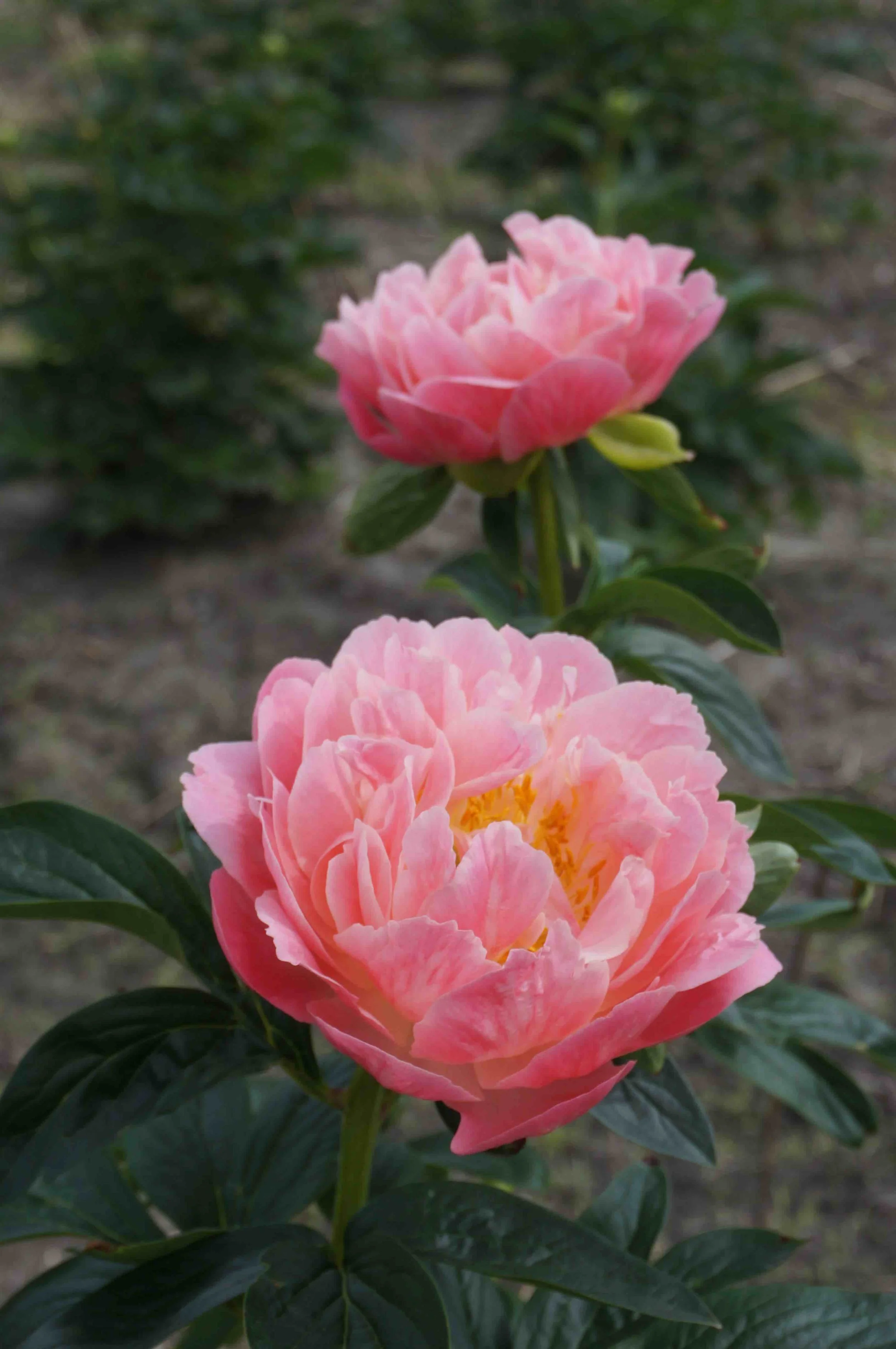
How to plant
Dig a hole roughly a foot deep and a foot across, and work compost into the loosened soil at the bottom. Backfill until you have a firm platform at the right height, because you want the root sitting on solid ground rather than sinking as the soil settles.
Set the root with the eyes pointing up, cover with one inch of soil, and water it in well to close any air pockets. That is it.
Skip the heavy mulch over the crown. Mulch is soil as far as the plant is concerned, and four inches of pine bark undoes all the care you just took with depth. A light scattering the first winter is plenty, and pull it back in spring.
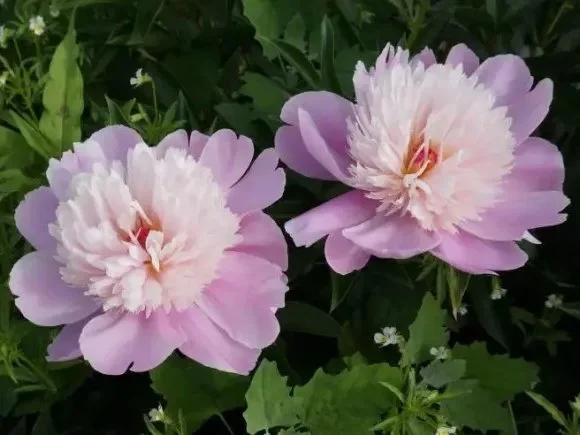
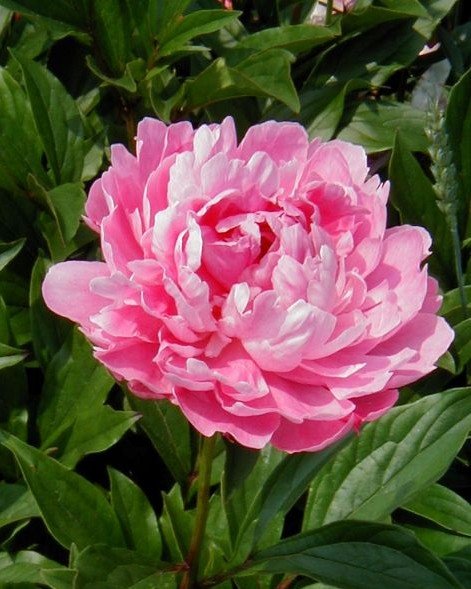
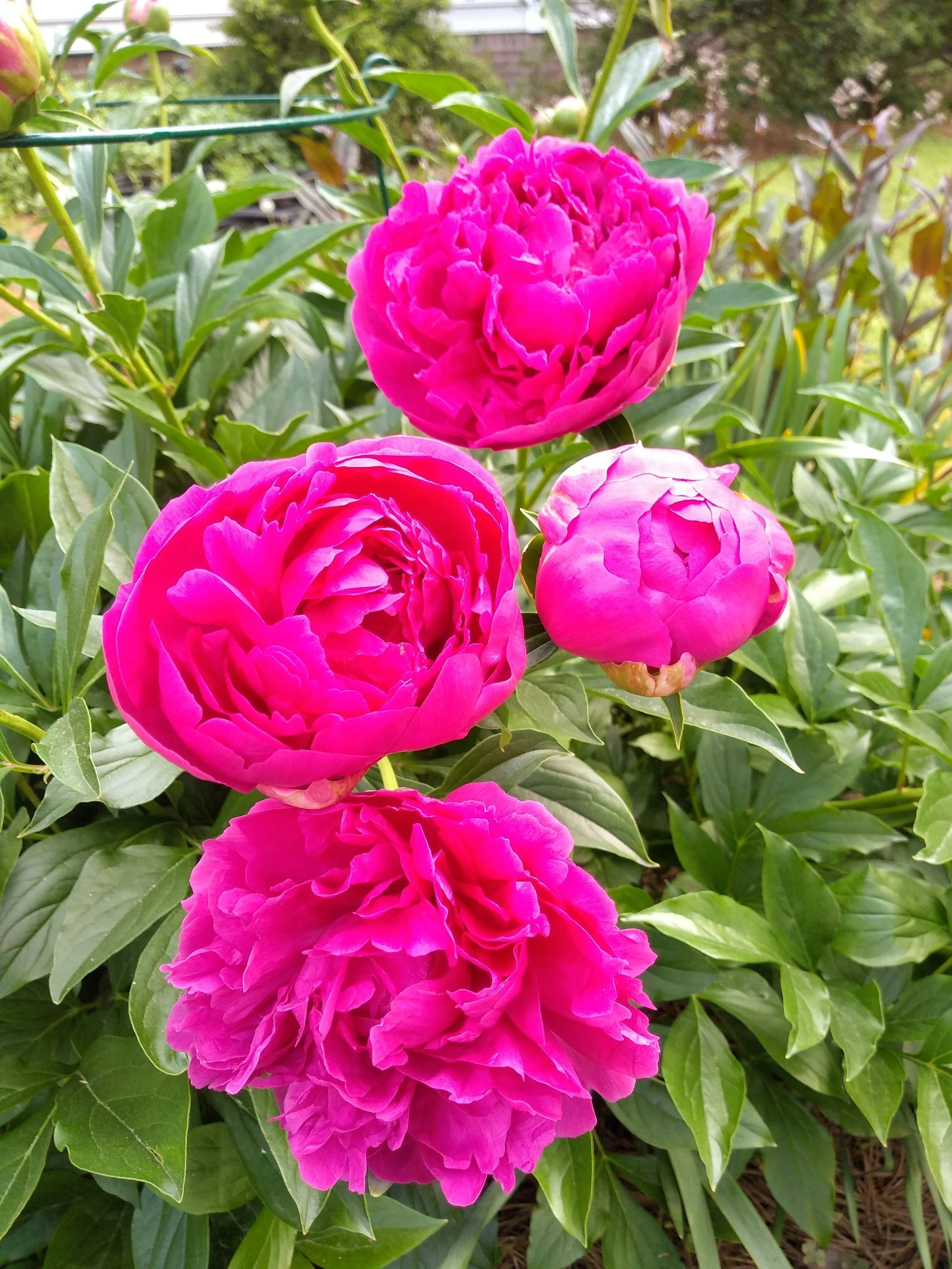
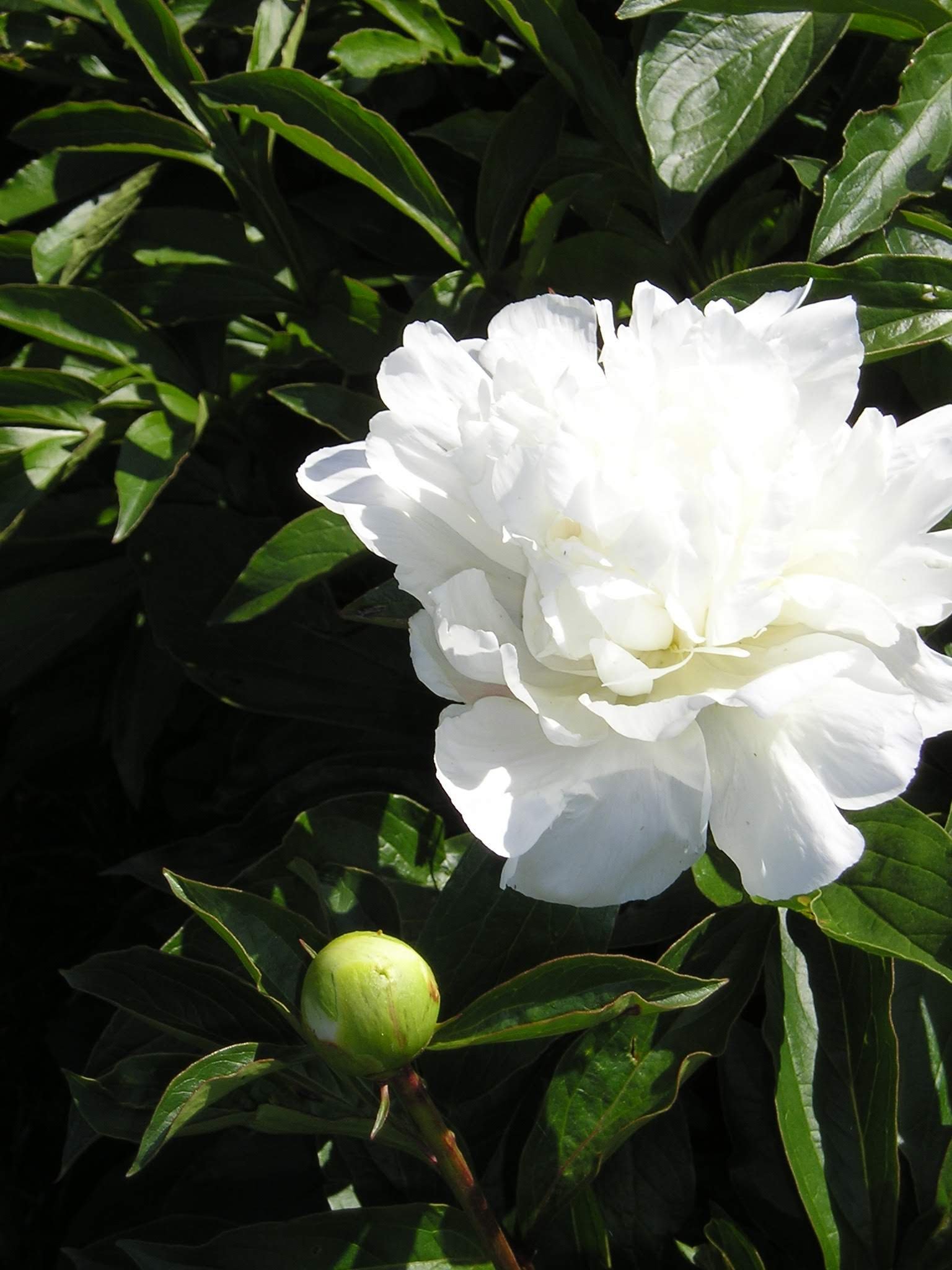
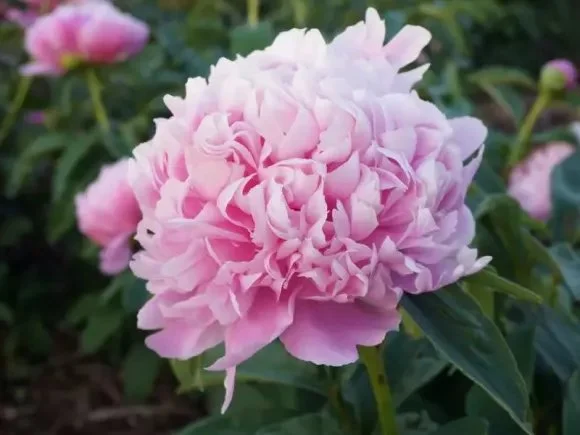
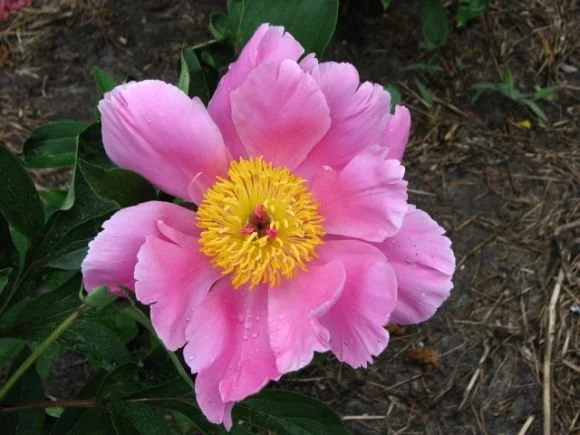
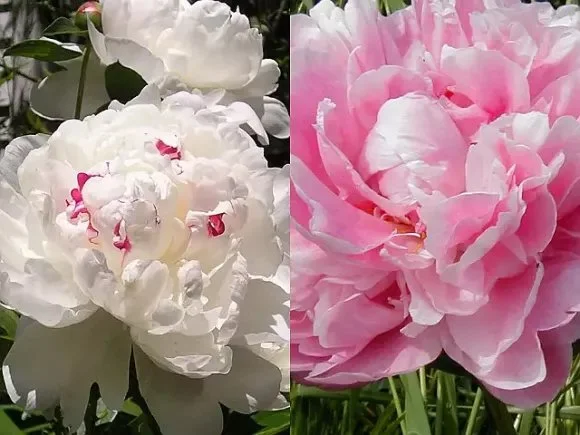
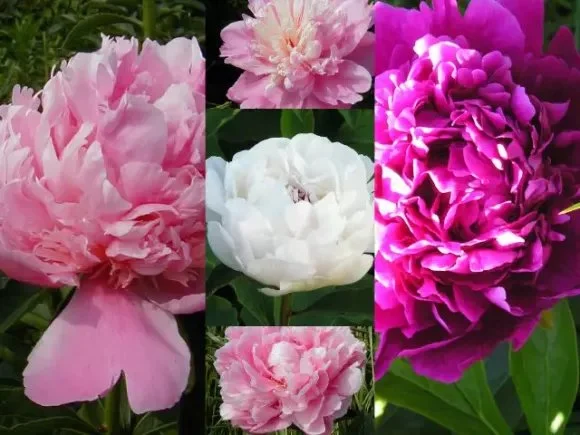
Explore Our Selection

Frequently Asked Questions
-
At least six hours. In our heat, morning sun with a little relief in the late afternoon is ideal, because afternoon sun shortens the life of an open bloom.
-
Most herbaceous peonies reach three feet tall and about as wide at maturity. Space them three to four feet apart. They do not like being crowded and they do not compete well with tree roots.
-
Nothing. Ants come for the sweet coating on the buds and do no harm at all. Shake them off the stems before you bring blooms inside and carry on.
-
Not at planting, beyond compost worked into the bed. Once established, a light application of a low-nitrogen fertilizer in early spring is all it wants. Too much nitrogen buys you tall floppy leaves and few flowers.
-
Not well, and not for long. Peonies want room and they want to stay put. If a container is your only option, choose the largest one you can manage and expect to move the plant into the ground eventually.
-
Please do. Cut when the bud feels like a soft marshmallow and is just beginning to show color. Cut in the morning, and leave at least two-thirds of the stems and leaves on the plant so it can keep working on next year.
-
Yes. Peonies need a stretch of winter cold to set their flower buds, and we get enough of it. Zone 8a sits near the southern edge of easy peony growing, which is why planting depth matters more for us than it would for someone in Ohio. Plant it shallow and give it good drainage and it will do beautifully.
-
Year one you may get a few stems and no flowers. Year two, a handful. Year three is when it starts earning its keep, and it will keep going for decades after that. A well-sited peony can bloom for fifty years or more. This is the honest answer, and we would rather give it to you now than have you think you did something wrong next May.
-
Late April into May here, depending on the variety and the spring. Early, midseason, and late varieties will stretch the show across several weeks if you plant a mix.
-
This is the best news in gardening. Deer leave peonies alone, and rabbits do too. If you have given up on hostas and daylilies, a peony bed is a way back into your own yard.
-
A dormant bare root, not a potted plant. It arrives in fall looking brown and knobby with a few pink buds on it, which is called an eye. That is a healthy root and it is exactly what it should look like. You plant it in the fall and it wakes up in spring.
-
No more than one inch of soil over the eyes. Half an inch is fine. Planting too deep is the single most common reason a peony never blooms, and it will grow beautiful leaves and no flowers for years while you wonder why.
Peony Planting by Zone
Peonies need a stretch of winter cold to set flower buds, roughly 500 to 1,000 hours below 40 degrees. That is why the planting window slides later and the planting depth gets shallower as you move south. In a cold zone you bury the root to protect it. Here in 8a you keep it close to the surface so it collects every hour of chill the winter offers.
| Zone | Planting window | Eye depth below soil | What to know |
|---|---|---|---|
| 3 | Late August into September | 2 inches | Plant early so the roots settle before the ground freezes. Mulch heavily the first winter, then pull it back in spring. |
| 4 | September into mid-October | 2 inches | Reliable peony country. Nearly every variety performs well. |
| 5 | Late September into October | 1.5 to 2 inches | Ideal conditions. Full sun all day is fine. |
| 6 | October into early November | 1.5 inches | Full sun, with generous spacing for air movement. |
| 7 | October into late November | 1 inch | A little afternoon shade extends the life of an open bloom. |
| 8a | Late October into early December, while the ground is workable | 0.5 to 1 inch | Shallow planting is essential. Morning sun with afternoon relief. Early and midseason varieties bloom more dependably than late ones. |
| 8b | November into December | 0.5 inch | Marginal. Stay with early bloomers and the most heat-tolerant varieties. |
| 9 and warmer | Not recommended for herbaceous peonies | n/a | Not enough winter chill to set flower buds. Itoh and tree peonies are a better bet. |
Suffolk and the greater Hampton Roads area sit in Zone 8a.
Peony Resources

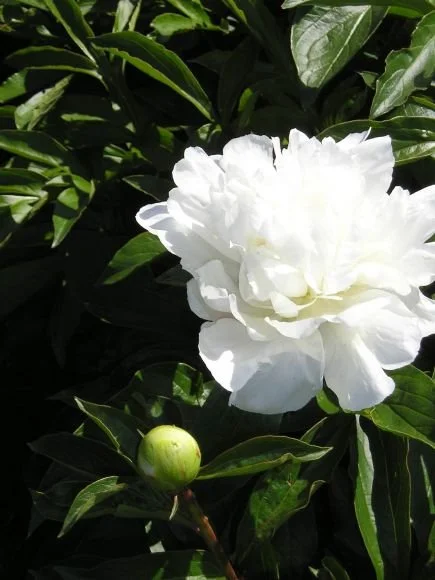
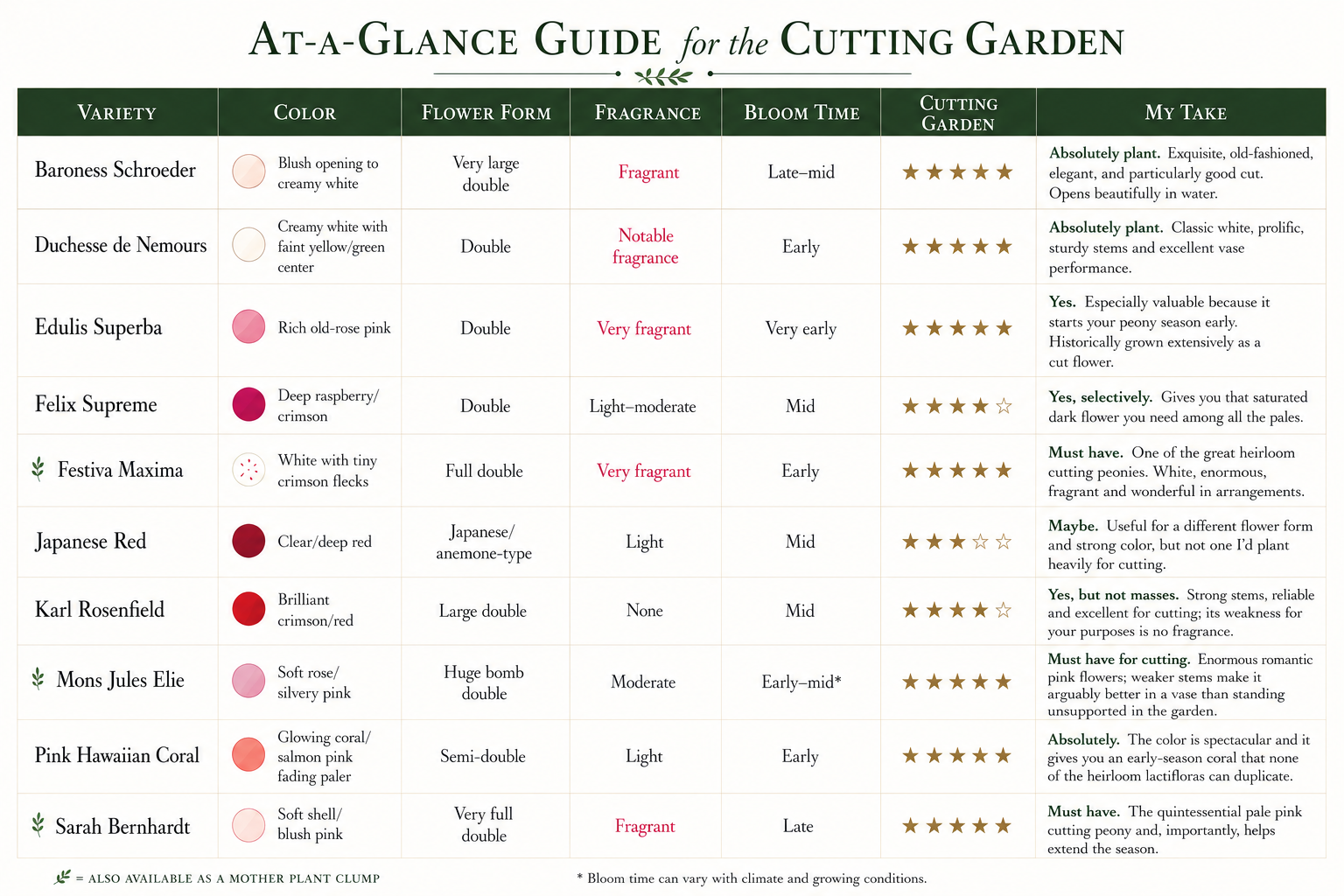
Festiva Maxima is a timeless white peony with fluffy, fragrant blooms that brighten up the garden in spring. This award-winning heirloom grows 32–36" tall and is perfect for borders, bouquets, and cut flower arrangements. Deer and rabbit resistant.
Full sun to partial shade
Height: 32–36"
Blooms: Early May
Plant Size: 2–3 Eye Roots
USDA Zones: 3–8
Suggested planting: 1 root per 3 ft²
Notes: A heavy bloomer with 20+ flowers per plant and large 6" blooms. Peonies take 1–2 years to establish. Staking may be needed in partial shade.
Shipping Dates: October 1 thru January 15